Does Auto Insurance Follow the Car or the Driver?
Colby Barrows
Jul 21 2026 15:00
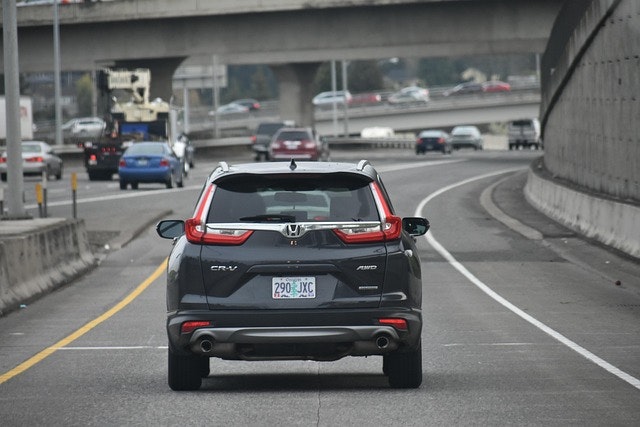
Auto insurance can get confusing, especially when you’re lending your vehicle to someone or taking the wheel of a car that isn’t yours. A common question we hear at Barrows Insurance Agency in Mansfield and Foxboro is whether coverage stays with the vehicle or follows the individual driving it. Most of the time, the policy attached to the car is the one that responds first, but there are several important details and exceptions that every driver should understand.
Below, we break down how coverage typically works, when it might shift, and what you should know before letting someone else get behind the wheel.
Auto Insurance Usually Follows the Vehicle
In Massachusetts, and in most states, car insurance is generally connected to the vehicle itself rather than the person driving it. This means the policy on the car is usually the primary coverage if an accident happens.
Liability coverage—the part of your policy that pays for injuries or damage to others—is tied to the insured car. As long as the driver had permission to use the vehicle, your insurance will typically respond first, up to your policy limits.
For example, if you let a friend borrow your car and they cause a collision, your policy will usually be the one to cover the initial costs. If the damages exceed your limits and the driver has their own auto insurance, their policy may act as secondary coverage.
This setup highlights why having adequate liability limits is so important, especially if you regularly let others drive your vehicle.
When Coverage Might Not Follow the Vehicle
Although the vehicle’s policy typically applies, certain situations can limit or even eliminate coverage. These exceptions often surprise drivers, so understanding them can help you avoid costly gaps in protection.
Permission Matters
Your policy generally requires that anyone driving your car has your permission. This concept, known as permissive use, determines whether your insurance applies. If someone takes your car without consent—even a family member—your insurer may deny the claim.
Because of this, it’s important to be thoughtful about who has access to your keys.
Excluded Drivers Are Not Covered
Some policies list excluded drivers, usually individuals with poor driving histories. If an excluded driver takes your vehicle and gets into an accident, the insurer may refuse coverage altogether. In that case, you and the driver could be personally responsible for the damages.
This makes it critical to keep your policy information up to date and understand who is—and isn’t—covered.
Household Drivers Must Be Listed
Auto insurers expect all household members who regularly use your vehicle to be listed on your policy. Because your premium is based partly on the risk of each driver in your household, failing to list someone can create complications.
If an unlisted household member causes a crash while driving your car, the insurer may limit or deny coverage.
Business Use May Require Extra Coverage
Personal auto insurance does not automatically cover business activities. Tasks like delivering goods, transporting clients, or using your car as part of a service-based job may fall outside what your policy allows.
If you regularly use your personal car for work, a commercial auto policy or business-use endorsement may be necessary to ensure you’re properly covered.
Ride-Sharing and Delivery Driving Are Separate Situations
Driving for companies like Uber, Lyft, DoorDash, or Instacart introduces additional coverage considerations. Many personal auto policies exclude accidents that happen while driving for these platforms. While the companies may provide limited coverage, it doesn’t always apply during every phase of the trip.
Massachusetts drivers who participate in ride-sharing or delivery services should consider a specialized rideshare endorsement to avoid gaps.
How Coverage Works in Real Situations
Seeing how these rules apply in everyday situations can make them easier to understand.
Imagine lending your vehicle to a friend to run errands. If they cause a crash, your insurance becomes the primary coverage because it’s tied to your car. Your liability limits would apply first, and if damages exceed them, your friend’s policy may help with the rest.
Now consider borrowing someone else’s vehicle. If you get into an accident while driving their car, the vehicle owner’s insurance typically steps in first. Your own auto policy may act as secondary coverage once their limits are exhausted.
These examples show how multiple policies can overlap depending on who owns the car and who is driving it.
Why Knowing Your Policy Details Matters
No two auto policies are exactly the same. Coverage depends on factors such as listed drivers, endorsements, state laws, exclusions, and more. Two policies that seem similar on paper can perform very differently if an accident occurs.
This is why a thorough review is so important. Small details can make a big difference when it comes to your financial protection after an accident.
What to Consider Before Letting Someone Borrow Your Car
Allowing someone to drive your vehicle may feel like a simple favor, but it comes with responsibility. Before handing over your keys, take a moment to think about the following:
- Does the person have a valid driver’s license?
- Are they someone with a reliable driving track record?
- Do your current liability limits offer enough protection?
- Does your policy restrict who can drive your vehicle?
A quick check can help you avoid unexpected issues later.
Staying Protected Starts With Understanding Your Coverage
The question of whether car insurance follows the driver or the vehicle isn’t always straightforward. While coverage typically follows the car, exceptions related to permission, exclusions, and how the vehicle is being used can affect how a claim is handled.
Taking time to understand your policy is one of the best ways to protect yourself. Even a brief review can help you feel more confident lending or borrowing a vehicle.
If you’re unsure how your auto insurance applies in specific situations or want help reviewing your coverage, the team at Barrows Insurance Agency is here to help. Our Mansfield and Foxboro offices are always ready to answer your questions and make sure you have the protection you need.