
Deer Collision Reminder - Safety Tips - Personal
Caitlin Barrows
Oct 20 2026 15:00
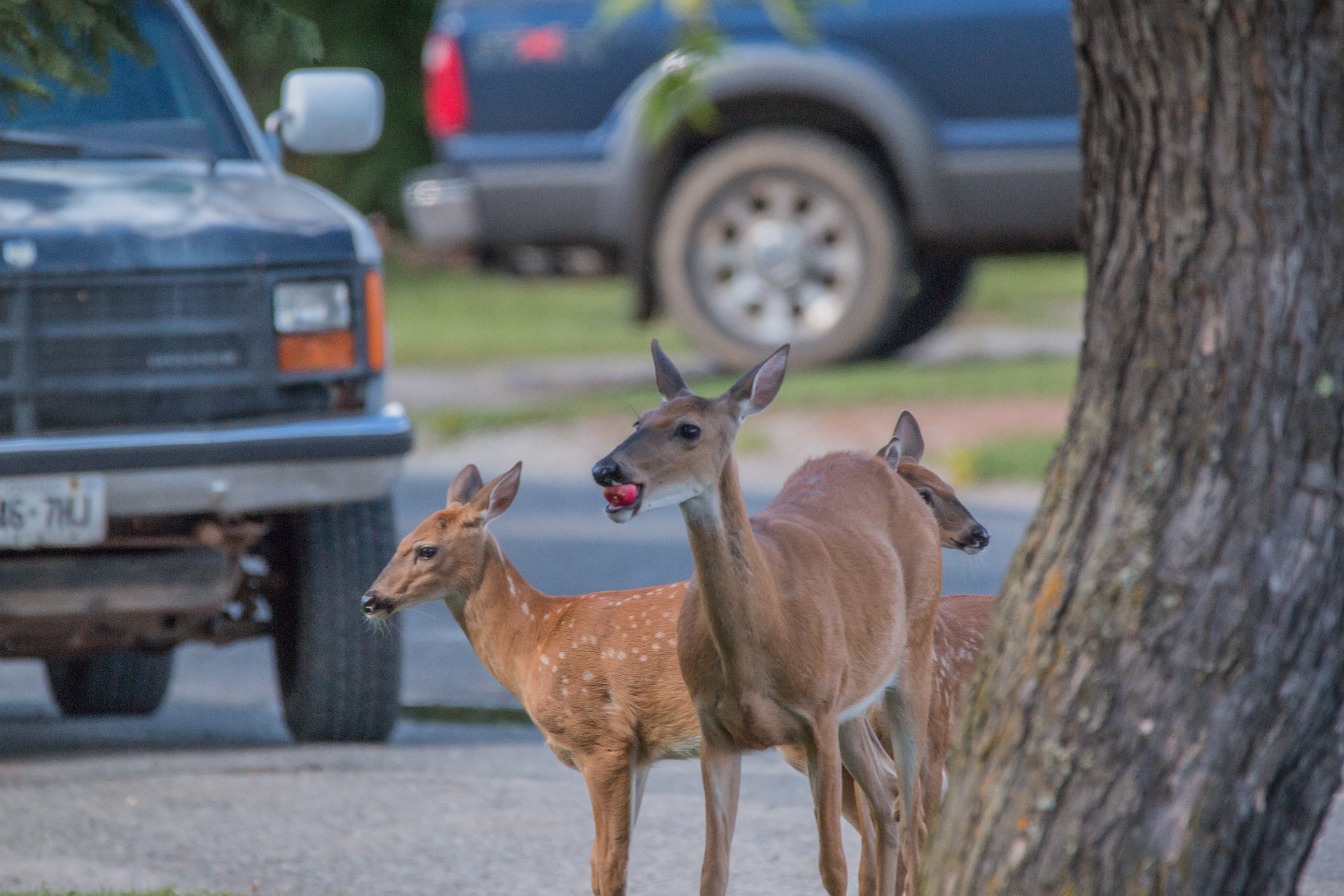
As fall approaches in New England, shorter days and increased wildlife movement can create challenging driving conditions. Deer are especially active this time of year, and their sudden appearances near roadways can catch even experienced drivers off guard. Knowing how to reduce your risk and understanding what to do after a collision can help keep you and your passengers safe.
At Barrows Insurance Agency, helping our Mansfield and Foxboro neighbors stay protected is part of what we do every day. These updated safety tips can help you navigate deer season with more confidence.
Why Deer Collisions Spike in the Fall
From October through early winter, deer activity rises sharply. This seasonal change often sends them crossing roads more frequently, particularly at times when visibility is naturally lower.
Drivers face the greatest risk around dawn, dusk, and shortly after dark. Low light makes it harder to see animals standing along wooded edges, open fields, or medians until they are close to the roadway. When deer move unpredictably, this can leave very little time to react.
Staying alert during these peak hours is one of the most effective ways to reduce crash risk.
Stay Focused in Areas Where Deer Are Common
Awareness is one of your strongest tools. Instead of keeping your eyes only on the space directly ahead, scan both sides of the roadway for movement or reflections that might signal an animal nearby.
Wooded roads, rural routes, agricultural areas, and any stretch marked with deer crossing signs deserve extra attention. These signs mark places where deer behavior has historically been more active, giving you a cue to drive more cautiously.
Minimizing distractions—such as mobile devices or loud in-vehicle noise—also gives you more time to respond if a deer suddenly steps into your lane.
Why Slowing Down Makes a Big Difference
Speed heavily influences whether a deer-related crash can be avoided. Traveling at or below the posted speed limit increases your reaction time, giving you the chance to brake safely and maintain control.
This is particularly important on two-lane roads, forested routes, or rural highways where deer often appear without warning. Reducing your speed even slightly can buy those crucial extra seconds that prevent an accident.
Using Headlights to Improve Your Visibility
Proper headlight use is essential during darker hours. When driving on roads without oncoming traffic, high beams can illuminate the road more effectively and help you spot deer from a greater distance.
If you do see a deer near or on the road, dimming your lights may help prevent startling the animal. Bright beams can sometimes cause deer to freeze, making the situation more dangerous.
Thoughtful headlight use helps you see better while also reducing the chance of sending deer into sudden, unpredictable movements.
Expect More Than One Deer
Deer rarely travel alone. Many drivers assume that once a single deer has crossed, the risk is gone—but often, several more are nearby.
Instead of speeding up after the first animal passes, continue slowing down and keep scanning your surroundings. Another deer may appear just seconds later, and patience can prevent a follow-up collision.
Brake Steadily Instead of Swerving
When a crash feels imminent, many instinctively try to steer around the deer. In most cases, swerving increases the danger significantly.
Leaving your lane may put you into the path of oncoming vehicles or send you off the road into trees, guardrails, or ditches. Collisions with these obstacles can be far more serious than hitting the deer itself.
Whenever possible, keep your vehicle straight, grip the wheel firmly, and apply the brakes in a controlled manner.
Don’t Depend on Deer Whistles
Although some drivers use deer whistles or similar gadgets, these devices are not proven to prevent collisions and should never replace defensive driving habits.
Remaining attentive, using appropriate speeds, watching road edges, and braking safely offer the most reliable protection. If a deer is blocking the roadway, sounding your horn may help, but alert driving is still your strongest safeguard.
What to Do If You Hit a Deer
Despite your best efforts, collisions can still occur. If you hit a deer, your priority should always be safety.
Move your vehicle to a safe location if possible and switch on your hazard lights. Check for injuries and call for medical assistance if anyone needs help. In many areas, notifying local law enforcement is also required.
Avoid approaching the deer. Even if it appears hurt, a wounded animal can behave unpredictably and may injure you.
If it is safe to do so, take photos of your vehicle’s damage before reaching out to your insurance provider. Clear documentation can make the claims process easier.
Does Auto Insurance Cover Hitting a Deer?
Many drivers don’t realize that deer-related damage is usually handled differently from other types of auto accidents. In most cases, hitting a deer falls under the comprehensive portion of your auto policy—not collision coverage.
Drivers with liability-only insurance typically do not have coverage for their own vehicle after an animal strike. That’s why understanding your policy ahead of time is so important.
If you’re unsure what your current coverage includes, our team at Barrows Insurance Agency is always here to help. We’re happy to review your policy, explain your options, and make sure you’re prepared before deer season is fully underway.
For questions or to explore auto insurance in Mansfield or Foxboro, visit our website or call us at (508) 339-7260. Our experienced, local team is ready to help you protect what matters most.